
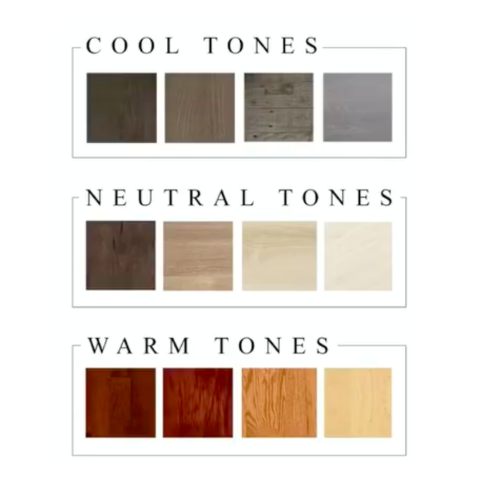
Identify the Undertones in Your Wood Finishes
Before mixing wood tones in a room, start by identifying the undertones in the wood you already have. Wood finishes typically fall into three categories: warm, cool, or neutral. Warm woods tend to have red, orange, or golden undertones, while cool woods lean gray or ashy. Neutral woods—like natural oak, maple, or beech—have very subtle undertones, making them incredibly versatile.
Understanding undertones helps prevent combinations that feel unintentional or mismatched. For example, two woods that appear similar in depth but have completely different undertones may clash when placed together.
Neutral woods are especially helpful when mixing tones because they act as a bridge between warmer and cooler finishes. When layered thoughtfully, these tones create a palette that feels natural and balanced rather than overly coordinated. Once you recognize the undertones in your existing pieces, it becomes much easier to choose complementary finishes throughout the room.
Work With Your Existing Wood Floors
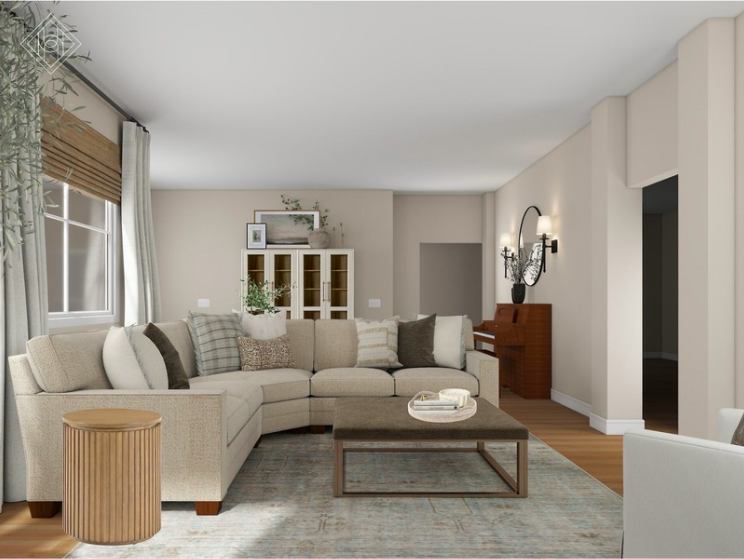
Wood floors are usually the largest wood surface in a room, so they naturally become the foundation for the rest of your design choices. Instead of trying to perfectly match them, focus on building a palette that works alongside them.
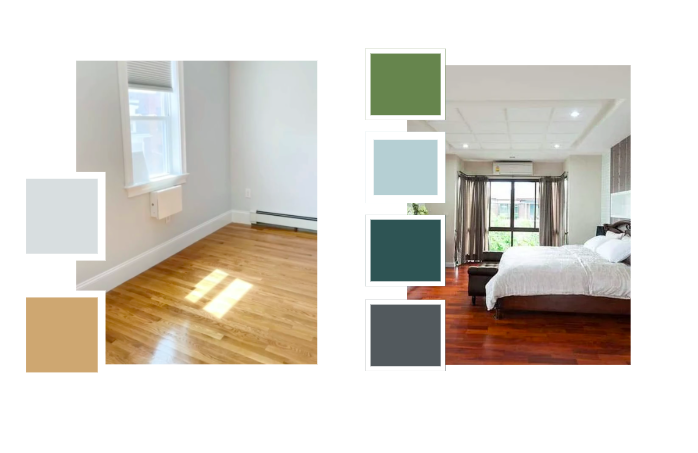
Start by identifying whether your floors lean warm, cool, or neutral. Honey-toned floors, for example, often carry a warm golden undertone. To balance that warmth, cooler paint colors—such as soft gray, greige, or muted blue—can create contrast and help modernize the space.
If your floors lean cool, like gray or ash tones, adding warmth elsewhere can keep the room from feeling stark. Paint colors such as creamy white, warm beige, or even soft blush tones introduce warmth and create a more inviting atmosphere.
You can also use furniture and decor pieces with complementary undertones to help your floors feel intentional rather than dominant. By balancing undertones throughout the space, your flooring becomes part of a cohesive palette rather than something you feel limited by.
Choose Complementary Wood Furniture
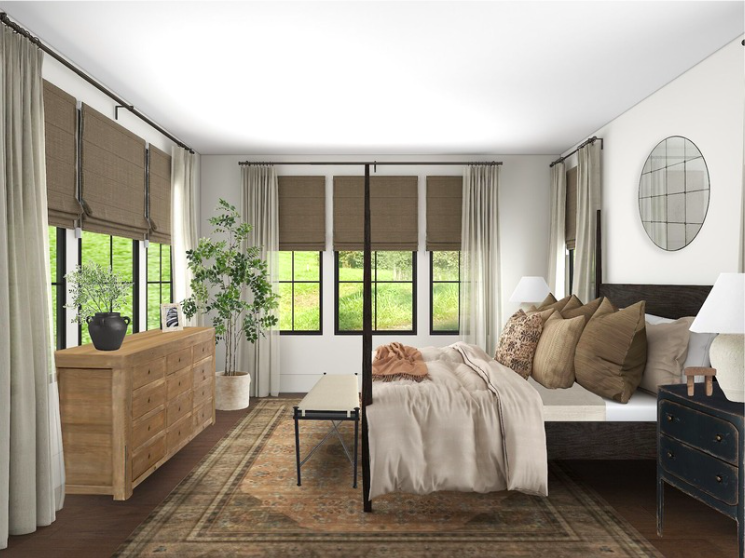
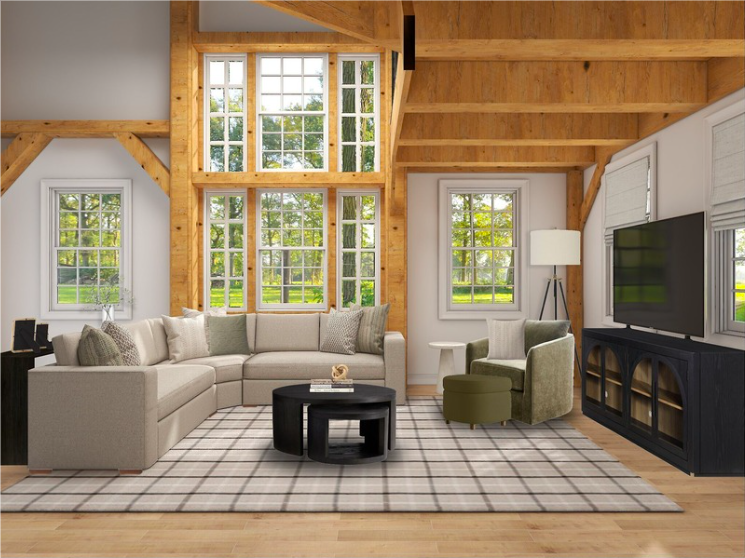
When selecting furniture, aim to include two to three wood tones rather than trying to match everything exactly. A layered mix of finishes feels far more natural than a room where every piece is identical.
Start with one dominant tone—often your floors or a large furniture piece like a dining table. Then introduce secondary tones through smaller pieces like side tables, shelving, or accent chairs.
Contrast can be especially effective. Pairing a lighter oak floor with a darker walnut coffee table, for instance, adds depth and prevents the room from feeling flat. However, it’s best to avoid woods that are almost the same color but slightly different, as this can appear accidental.
To keep the space cohesive, repeat each wood tone at least once elsewhere in the room. This could be through furniture, picture frames, shelving, or decorative accents. Repetition helps guide the eye and ensures the mix of finishes feels intentional.
Anchor the Room With Balance and Neutral Elements
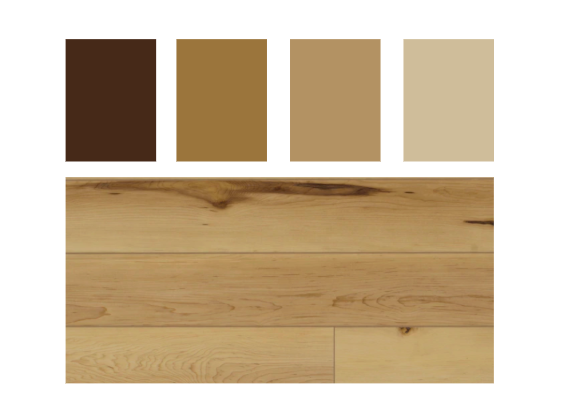
When multiple wood tones are present, neutral elements help tie everything together. Paint colors, textiles, rugs, and upholstery provide visual breathing room between finishes so the space doesn’t feel busy.
Neutral woods can also help bridge contrasting tones. Finishes like natural oak, light maple, or soft whitewashed woods blend easily with both warm and cool palettes.
Designers often use a balance of materials—wood, fabric, and metal—to create harmony. Soft neutral fabrics, simple wall colors, and subtle decor allow the wood tones to complement each other rather than compete.
The result is a room that feels layered, cohesive, and thoughtfully designed. Mixing wood tones isn’t about matching—it’s about creating balance that adds warmth, depth, and personality to your home.