How to Mix Metals in Your Home
Understand Warm, Cool, and Neutral Metal Tones
One of the biggest misconceptions in interior design is that every metal finish in a room must match. In reality, thoughtfully mixing metals can add depth, contrast, and a more collected feel to your space. The key is understanding metal undertones and choosing finishes that complement one another.
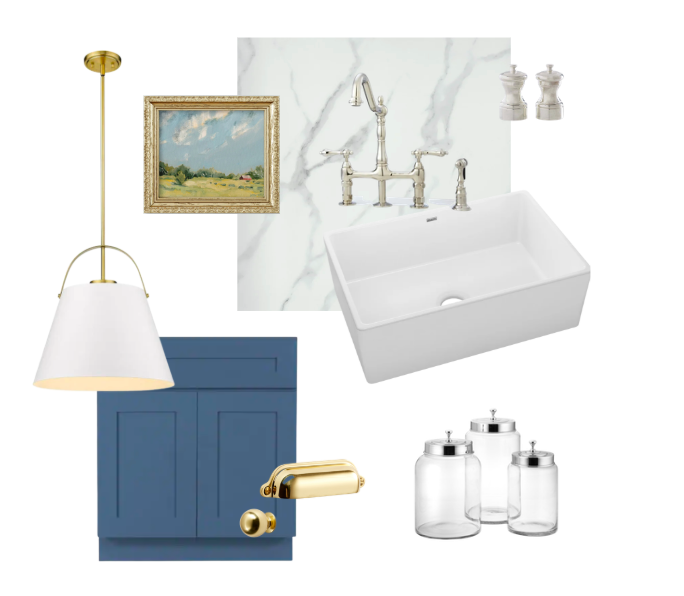
Metals generally fall into three categories: warm, cool, and neutral. Warm metals include finishes like brass, gold, copper, and oil-rubbed bronze. Cool metals typically include chrome, stainless steel, nickel, and silver. Neutral metals—such as black or iron—act as a bridge between the two and help create balance when mixing finishes.
When designing a room, it’s best to limit your palette to two or three metal finishes. This prevents the space from feeling chaotic while still creating a layered, designer look. Whether you stay within one undertone family or intentionally combine warm and cool metals, incorporating a neutral finish can help tie everything together.
This decorating tip plus hundreds more are waiting for you inside of the Homzie Style File. Over 15,000 people have already grabbed their copy. Grab yours and start decorating with confidence today!
Choose One Dominant Metal Finish
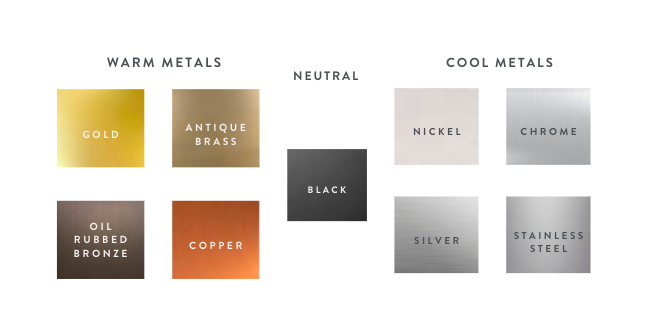
A successful mixed-metal design starts by selecting one primary metal finish that will act as the anchor for the space. This dominant metal should appear in the room’s larger or more permanent elements—such as plumbing fixtures, cabinet hardware, or lighting.
For example, if brushed brass is your primary finish, it might appear on your faucet, cabinet pulls, or pendant lights. These larger elements establish the visual direction of the space and make the overall design feel intentional.
Once the dominant metal is established, you can introduce one or two accent metals through smaller details. These might include mirror frames, decorative trays, lighting brackets, or furniture hardware.
This approach keeps the design cohesive while still allowing for contrast and visual interest.
Keep Metal Finishes Consistent
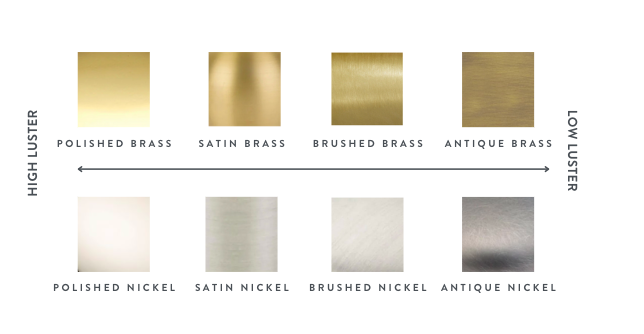
While mixing metal colors works beautifully, mixing too many finish styles can make a space feel inconsistent. Finishes refer to the texture and sheen of the metal, such as polished, satin, brushed, or antiqued.
Polished metals are shiny and reflective, while brushed or satin finishes have a softer, more matte appearance. For a cohesive design, it’s best to choose one finish style and repeat it across your metals.
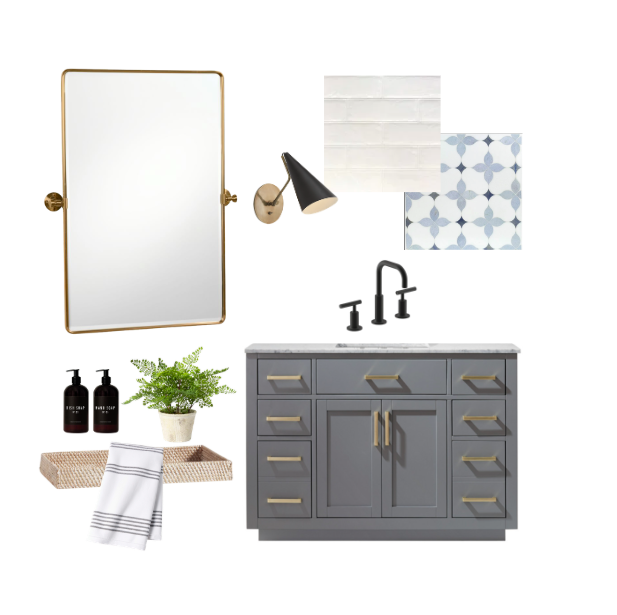
For instance, if you’re mixing brass and black hardware, sticking with brushed versions of both will feel more cohesive than combining polished brass with matte black. Consistency in finish creates harmony while still allowing the color of the metals to vary.
Many designers favor brushed finishes because they feel timeless, require less maintenance, and tend to hide fingerprints and wear better over time.
Repeat and Distribute Metals Throughout the Space
Another important rule when mixing metals is repetition. Each finish should appear at least twice within the room so the design feels balanced rather than accidental.
For example, if you incorporate brass cabinet hardware, consider echoing that finish in a mirror frame, light fixture, or decorative accent. Repeating the same metal in multiple places creates visual rhythm and helps guide the eye around the room.
It’s also helpful to distribute metals at different heights throughout the space. Instead of clustering one finish in a single area, spread them across different zones and eye levels. You might see a brass mirror higher on the wall, a nickel faucet at mid-height, and brass cabinet pulls below.
This layered placement makes the combination of finishes feel intentional and naturally integrated into the design.
When balanced thoughtfully, mixed metals can elevate a space, adding warmth, contrast, and a designer-level sense of depth.
Mixing metals doesn’t have to feel complicated. When you focus on undertones, choose one dominant finish, and repeat accent metals throughout the space, the result feels layered and intentional rather than mismatched. Thoughtfully combining finishes like brass, nickel, black, or chrome adds depth and visual interest to your home. With a balanced approach, mixed metals can elevate a space and create a look that feels timeless, polished, and professionally designed.